

 <img src="https://ewastedisposal.net/wp-content/uploads/2024/12/IMG_5060-1-scaled.jpeg" alt="" width="2560" height="1920" class="aligncenter size-full wp-
PFAS is the one I’d watch most closely
PFAS could become a major specialty within hazardous-waste transportation over the next decade.
California is already actively regulating PFAS-containing products and studying additional PFAS categories. DTSC’s current work demonstrates that PFAS isn’t going away as a regulatory issue.
And PFAS isn’t just a “waste” problem. It creates a chain of work:
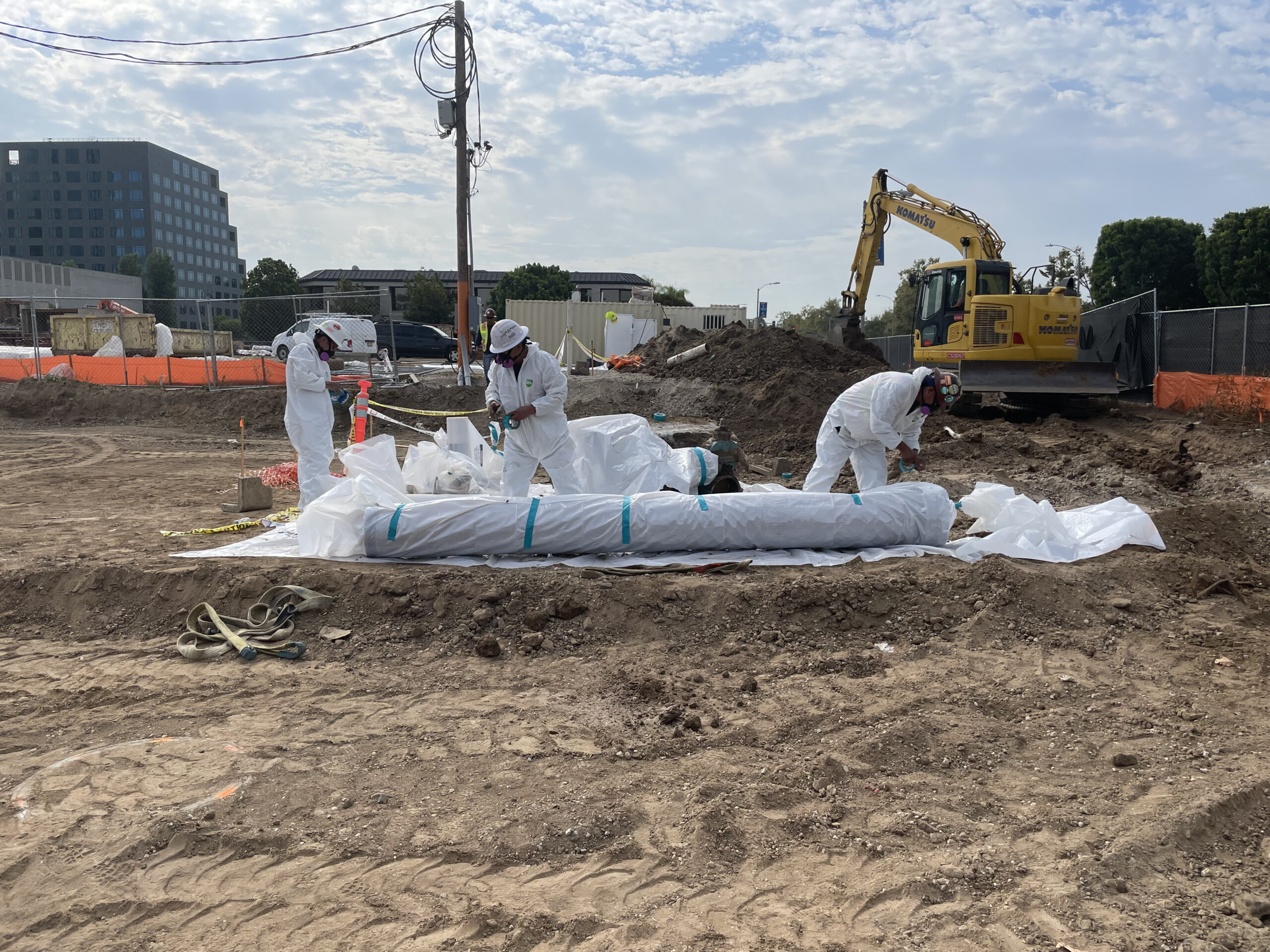
Testing → characterization → excavation/treatment → wastewater → transportation → treatment/disposal → documentation
That’s exactly the sort of complicated service where a specialized company can earn a premium.
2. Aerospace and defense could be another excellent niche
Southern California has an enormous aerospace/defense ecosystem. Chemicals, solvents, contaminated soil, wastewater and specialized industrial wastes associated with those facilities require careful handling.
This is particularly attractive because customers aren’t simply looking for the cheapest truck. They want a company that won’t create a regulatory or environmental problem for them.
3. The real opportunity is becoming a “waste-management solution”
Our company , Ewastedisposal inc is positioned as:
“We manage difficult regulated waste from characterization through final disposal.”
That means controlling the customer relationship and coordinating:
* Waste profiling
* Sampling/testing
* Manifesting
* DOT compliance
* Transportation
* Treatment
* Disposal
* Emergency response
* Documentation
* Regulatory assistance
DTSC itself describes hazardous-waste management as involving generators, transporters, treatment/storage/disposal facilities, permitting, enforcement and investigations.
One thing I’d be careful about
California is trying to manage hazardous waste while also dealing with limited disposal capacity and community concerns. DTSC’s current planning process includes proposals concerning what materials can be handled in landfills.
So disposal outlets will become increasingly important.
A transporter that depends entirely on somebody else’s disposal facility has less control. A company with multiple permitted disposal/treatment outlets and strong relationships with facilities throughout California and neighboring states should have a significant advantage.
PFAS + industrial liquids + contaminated soil + aerospace/defense + medical/pharmaceutical + emergency response
I would rate the overall Southern California hazardous-waste transportation/disposal opportunity in 2036 at about 8.5/10.
And I think the most valuable companies will be the ones that have specialized knowledge, permits, trained people, disposal relationships and a reputation for never creating compliance problems for their customers.