

Safely handling and transporting large-diameter asbestos-cement (AC) transite pipe is a critical milestone for any municipal or residential development project. Moving a 16-inch line successfully requires tight alignment with both local and federal regulatory frameworks to mitigate the risks associated with non-friable asbestos turning friable under stress.
Here is a technical overview of the compliance protocols, handling challenges, and logistical standards that govern a successful operations profile of this scale in Southern California:
Regulatory Framework & Compliance
A commercial transport of this nature must cross-reference several regulatory bodies to ensure zero-exposure containment:
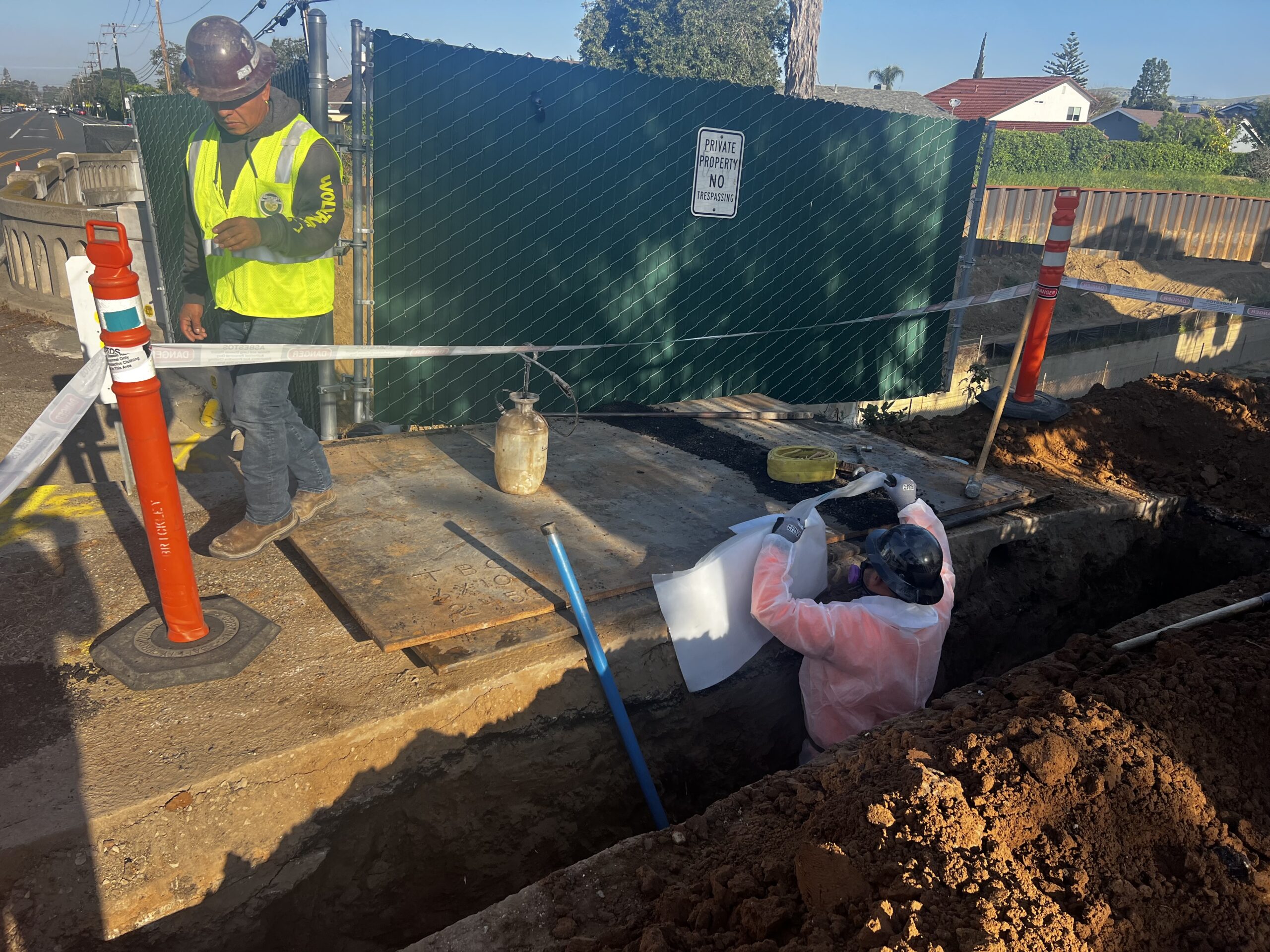
SCAQMD Rule 1403: For projects operating within the South Coast Air Quality Management District (covering Orange County), strict notification and emission-control procedures are required before disturbing or transporting asbestos-containing materials (ACM).
OSHA 29 CFR 1926.1101: This classifies the handling of asbestos cement pipe under Class II asbestos work, demanding specific negative-exposure assessments or the designated use of wet methods and competent-person supervision to avoid airborne fiber levels exceeding the permissible exposure limit (PEL) of 0.1 fibers per cubic centimeter (0.1 \text{ f/cc}) (Class I, n.d.).
EPA & DOT Transport Standards: Under the Clean Air Act’s NESHAP (40 CFR Part 61, Subpart M) and DOT Title 49, the material must be documented via a hazardous waste manifest, contained in leak-tight wrapping, and marked with appropriate warning labels indicating the presence of asbestos (Works-Serials, n.d.).
Technical Logistics for 16-Inch Transite Pipe
Managing a 16-inch diameter line presents unique physical and environmental challenges compared to smaller, standard utility lines:
Weight and Fragility: Asbestos-cement pipe is exceptionally heavy and becomes increasingly brittle with age. A 16-inch pipe requires heavy equipment for lifting, where sudden structural shocks can snap the conduit, immediately transitioning a stable, non-friable material into a friable hazard.
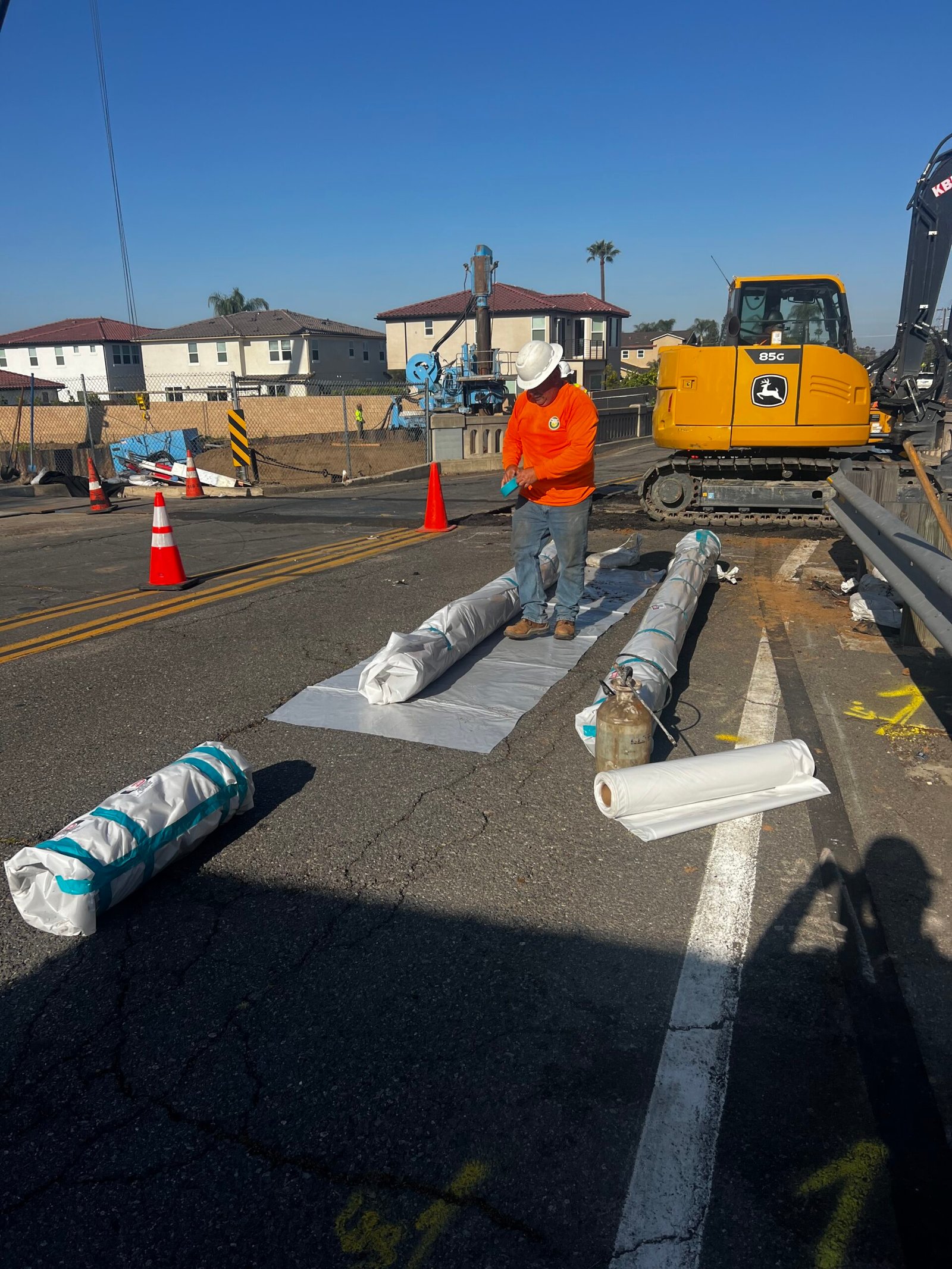
Fiber Suppression: Even when handled intact, the pipeline joints and any broken fragments must be continuously treated with a wetting agent or surfactant to lock down fibers.
Secure Containment: The pipe sections must be wrapped in a minimum of 6-mil poly-sheeting, completely sealed, and properly labeled. During transit, they must be securely choked and tied down on the transport vehicle to prevent shifting, friction, or crushing during highway travel from the Irvine site.
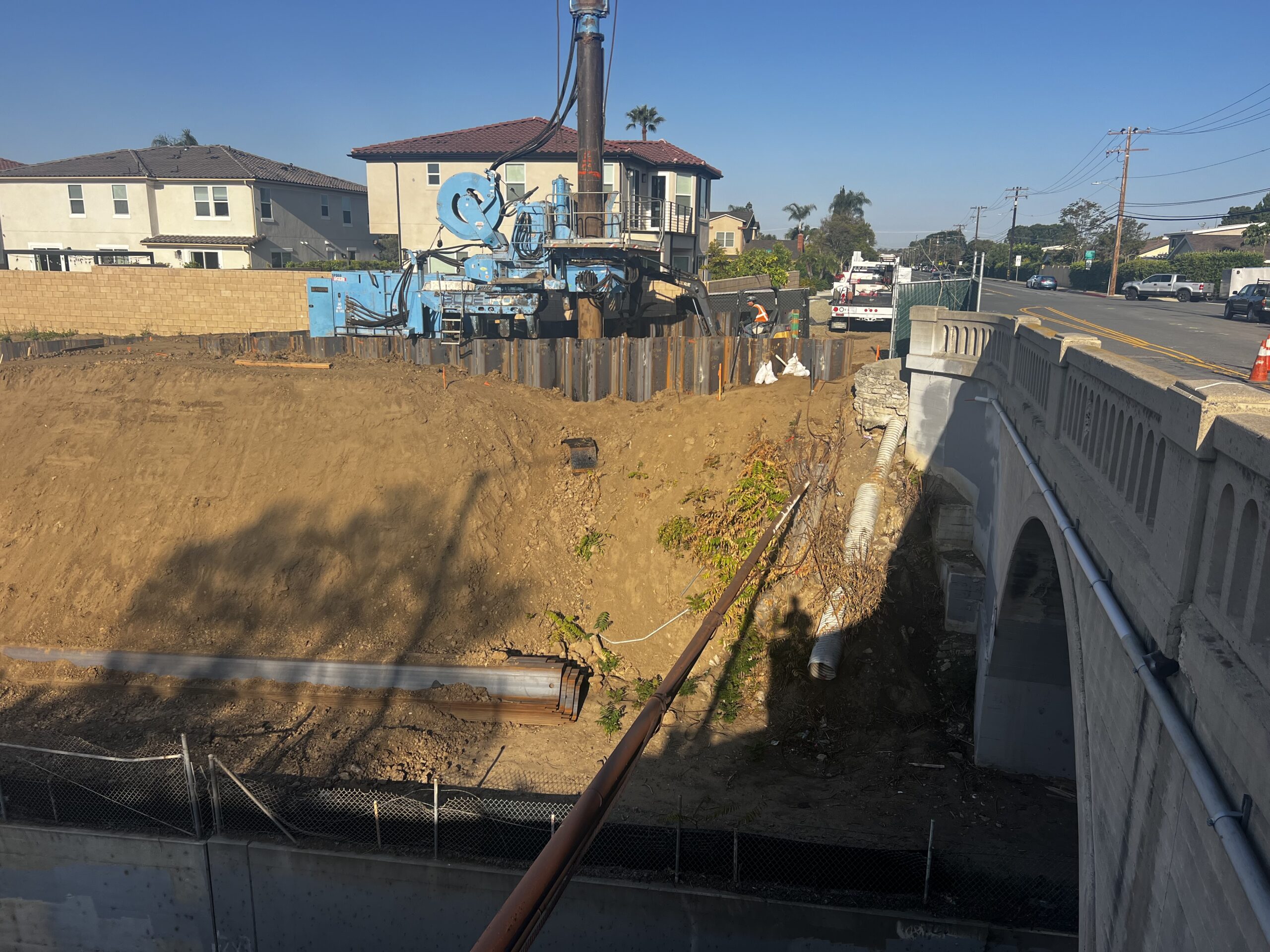
Successfully executing this ensures that the infrastructure footprint is completely cleared and verified for safe residential grading, protecting both the field crew and the future housing community.
References
Class, I. (n.d.). § 1926.1101 Asbestos. 29 CFR 1926.1101. https://ecfr.io/Title-29/Section-1926.1101
Works-Serials, C. (n.d.). Asbestos-Containing Materials in Schools; Final Rule and Notice. Part III. Environmental Protection Agency. https://files.eric.ed.gov/fulltext/ED300257.pdf