

Based on current operations and regulatory compliance for hazardous waste management in Southern California, eWaste Disposal (ewastedisposal.net) is a certified transporter that handles asbestos and lead-based paint waste for large-scale infrastructure projects, including those at the San Diego International Airport.
As part of the airport’s ongoing modernization and “Zero Waste” initiatives, the removal and transport of these materials are strictly regulated. Here is a breakdown of how this waste is typically managed by a transporter like eWaste Disposal:
1. Transport & Disposal Services
eWaste Disposal acts as a registered hazardous waste transporter (DTSC #5948) for the following materials often found in older airport infrastructure:
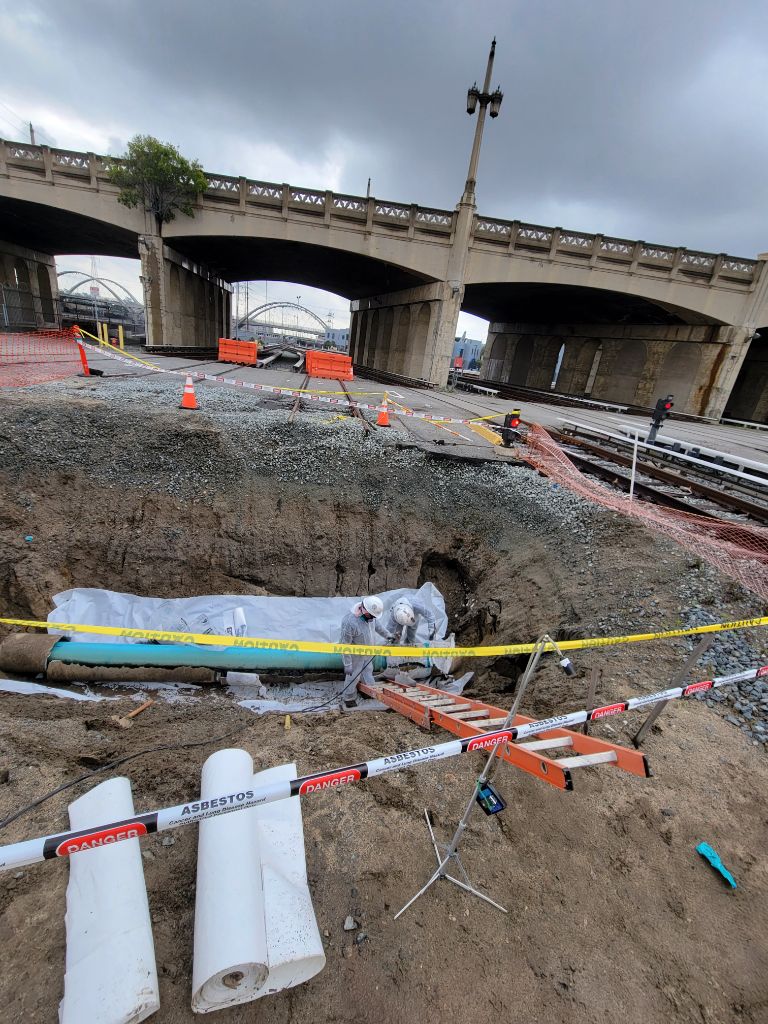
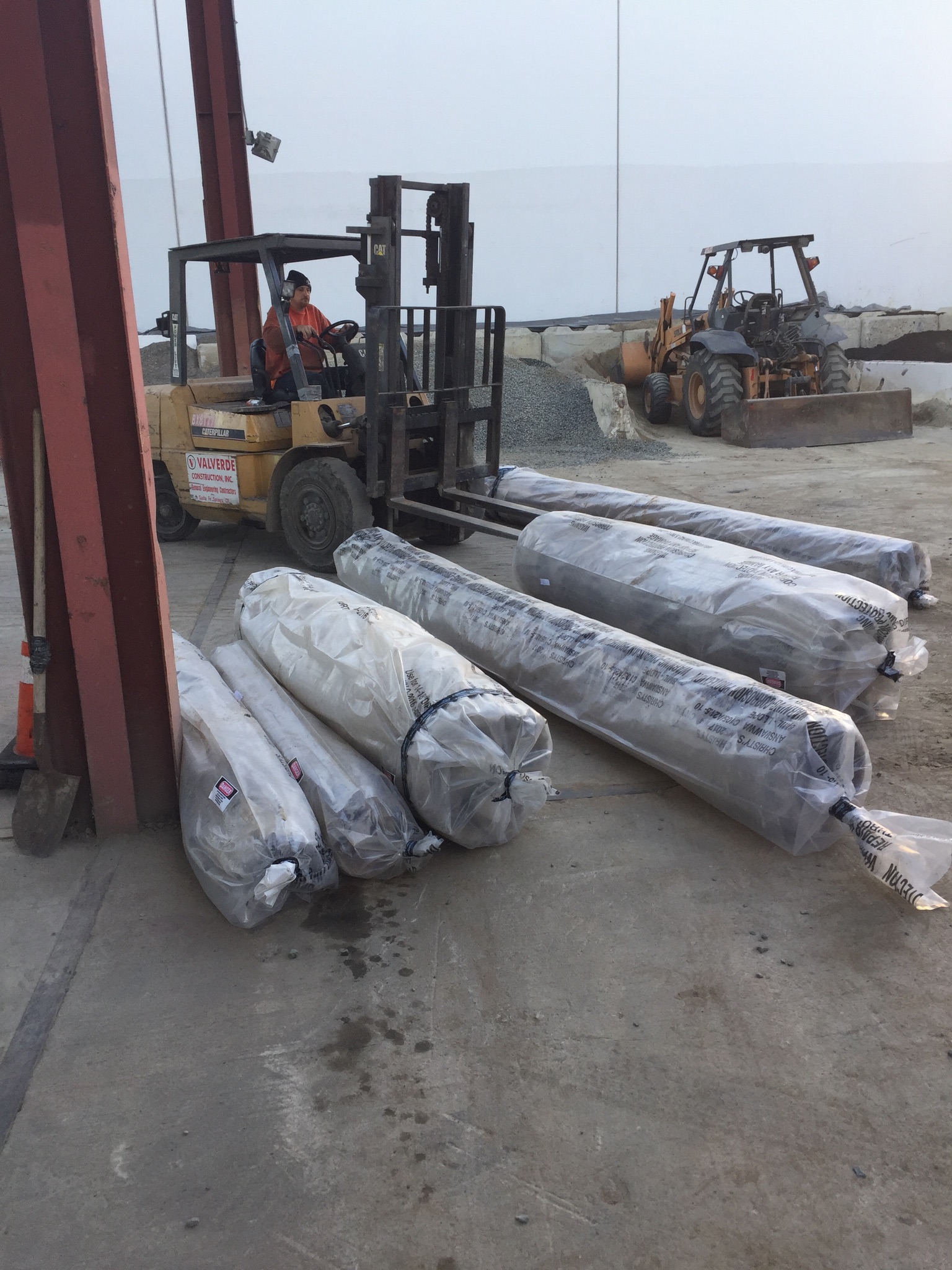
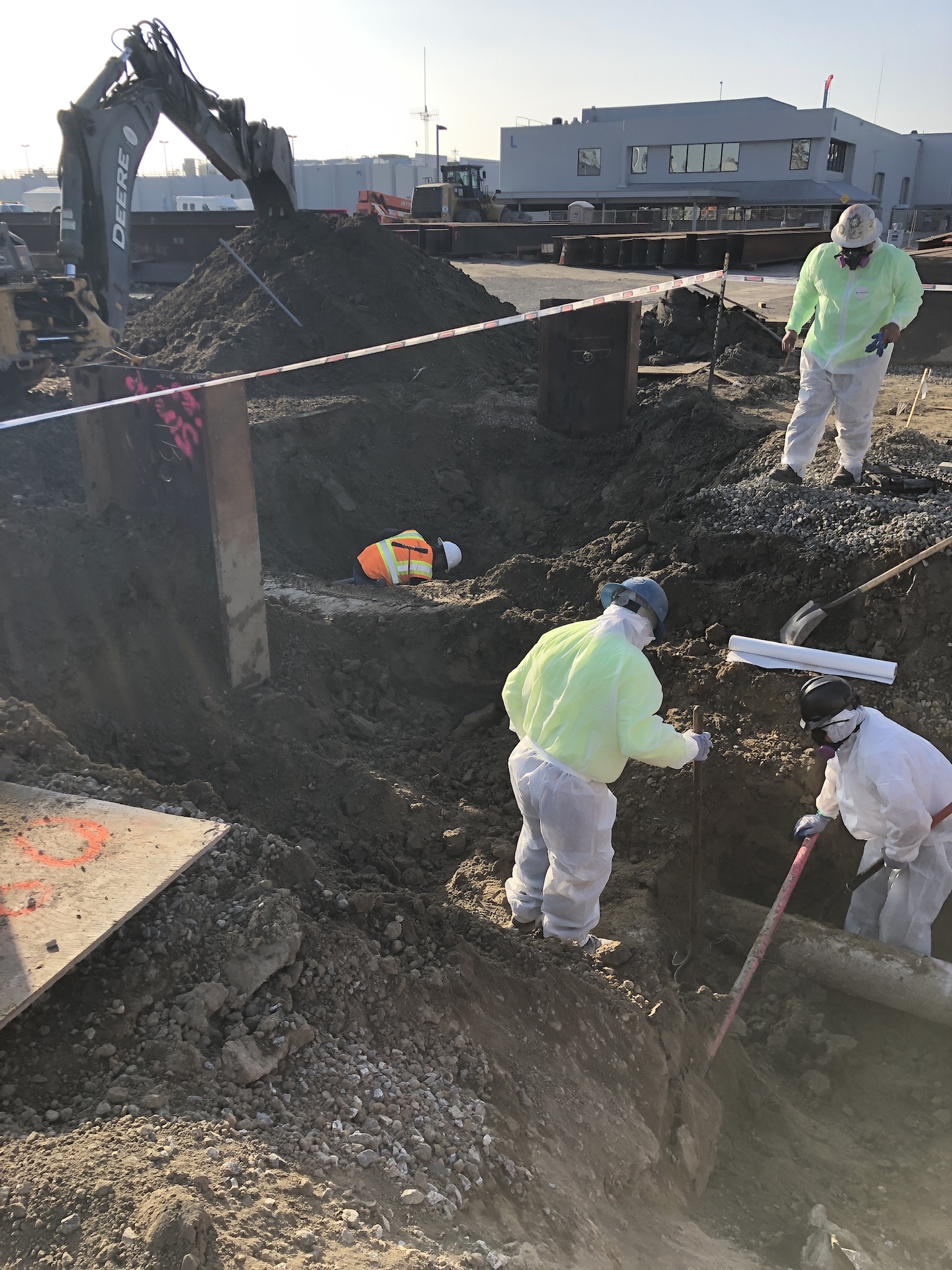
• Asbestos-Containing Materials (ACM): Includes pipe insulation, floor tiles, and roofing materials. These are wetted and double-bagged or placed in leak-tight, lined containers to prevent fiber release during transit.
• Lead-Based Paint (LBP) Waste: Generated during demolition or renovation. This waste is often categorized as RCRA or non-RCRA hazardous waste depending on its toxicity levels and must be hauled in sealed drums or specialized roll-off boxes.
2. Compliance and Certification
To work on high-security, government-adjacent sites like the San Diego Airport, the transporter maintains specific credentials:
• DVBE/SB Certified: They are a certified Disabled Veteran Business Enterprise, which often qualifies them for state and local government contracts.
• EPA ID & Manifesting: Every shipment from the airport is tracked via a Uniform Hazardous Waste Manifest, ensuring a “cradle-to-grave” chain of custody from the airport (the generator) to the final Treatment, Storage, and Disposal Facility (TSDF).
3. Safety Standards
For airport projects, the transport process includes:
• Air-Side Coordination: Working within airport logistics and security protocols for waste pickup.
• Containment: Using 6-mil poly liners for roll-offs and ensuring all loads are tarped and secured to meet DOT (Department of Transportation) standards.
• Real-time Tracking: Logistics monitoring to ensure efficient routing from San Diego to permitted facilities, such as those in the Inland Empire or neighboring states if required for specific waste streams.
Would you like me to find the specific permit numbers for current airport abatement projects or look up the nearest licensed disposal facility for these materials?