
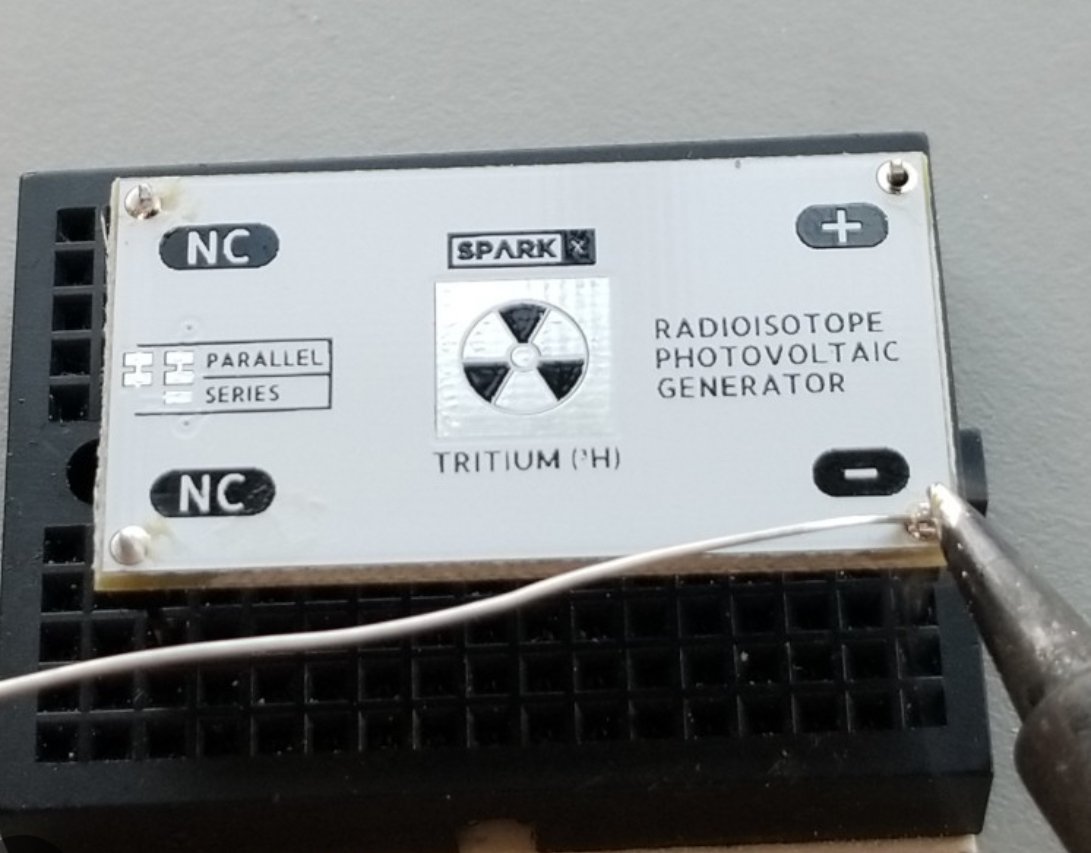
A quantity of 20 millicuries (mCi) of a radioactive isotope is a measure of its activity, which refers to how quickly the radioactive material decays and emits radiation. The “safety” of this amount depends entirely on the specific application and whether it’s for medical or non-medical use, and if it’s the total dose or a recurring one.
Here’s why context is crucial:
1. Medical Applications:
In certain medical procedures, like diagnostic imaging or specific treatments, 20 mCi of a radioactive isotope may be administered.
For instance, Technetium Tc-99m sulfur colloid for a liver-spleen scan can involve a dose of up to 20 mCi.
Radioactive iodine therapy for thyroid conditions can utilize doses around 20 mCi, and even higher doses are used in cancer treatment.
In these cases, the dose is carefully calculated and justified by a physician based on the medical need, considering the expected benefit versus the potential risks.
While there are regulations and guidelines for medical radiation exposure, these are distinct from occupational or public limits.
2. Non-Medical Applications (Occupational or Public Exposure):
For individuals in occupational roles involving radiation exposure, like nuclear energy workers, the annual dose limit is typically 50 mSv (5,000 mrem).
For the general public, the annual limit is significantly lower, typically 1 mSv (100 mrem).
A single exposure of 20 mCi would likely exceed these limits if it were a direct external dose or if it were internalized and contributed a substantial amount to the individual’s overall dose.
Important Considerations:
Type of Radiation: The type of radiation emitted (alpha, beta, gamma) and the half-life of the isotope also play a critical role.
Body Part Exposed: The health effects depend on which part of the body is exposed to radiation.
Individual Sensitivity: Individuals may have varying sensitivities to radiation.
In summary, 20 mCi can be a safe and medically necessary dose in specific controlled medical procedures. However, if this dose were received as uncontrolled public or occupational exposure, it could be a significant concern and potentially exceed established safety limits.